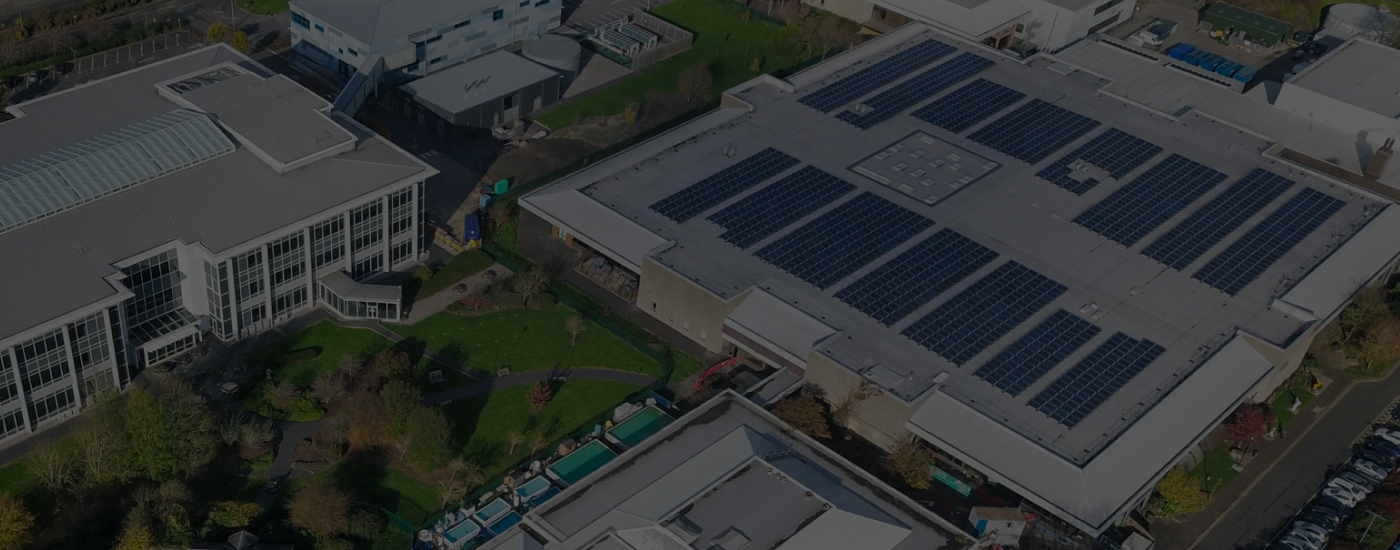
Cut Operating Costs With Smarter Business Solar
SunVolt plans commercial solar installations for Perth businesses that want lower daytime electricity costs, better control over operating expenses and a cleaner long-term energy strategy. A well-designed commercial system can help offices, warehouses, retail sites and industrial facilities convert unused roof space into practical solar generation.
Whether you are reviewing solar for a single site or assessing a wider business energy plan, our commercial solar approach focuses on load profile, roof usability, tariff structure, operational priorities and future expansion potential instead of offering a generic package.
Businesses With Strong Daytime Power Demand
Commercial solar is often most effective for businesses that consume a meaningful amount of electricity during working hours.
- Offices, warehouses and retail sites with daytime load
- Industrial operations managing high operating costs
- Sites planning staged energy upgrades over time
Commercial Output Aligned To Real Operations
We shape each commercial solar recommendation around how the site actually operates, not just how much roof area is available.
- Daytime load profile, occupancy and operating schedule
- Roof layout, access, staging and switchboard conditions
- Monitoring, scalability and broader energy planning goals
Commercial Planning That Makes Sense
A strong commercial solar system starts with understanding when and how the business uses electricity. The goal is usually to offset expensive daytime consumption with on-site solar generation, while keeping the design practical for roof access, compliance requirements and business continuity.
In Perth and across Western Australia, commercial solar planning often needs to consider roof orientation, equipment zoning, operational hours, export expectations and whether the site may add battery storage or EV charging later. The best business system is one that supports the site financially and operationally, not just technically.
SunVolt can also help businesses think in stages. Some sites begin with a core commercial solar installation and then expand over time as load increases, budgets change or monitoring data reveals the next best upgrade path.
How It Works
Our commercial solar process is structured to align technical planning with business practicality, from first review through system handover.
Analyse
We assess site load, roof conditions, operating hours and project goals to determine whether commercial solar is a strong business fit.
Plan
You receive a commercial solar recommendation built around system sizing, expected performance, staging options and long-term site value.
Deliver
Once approved, the project moves through installation, commissioning and handover with attention to business continuity and system clarity.
Why SunVolt For Commercial Solar Installations
We focus on systems that make commercial sense, with planning grounded in business usage, site realities and upgrade flexibility.
Business-Led Solar Planning
We assess commercial load and operating needs first, so the recommendation supports the way the site actually performs day to day.
Scalable Energy Strategy
Our planning considers monitoring, future battery storage and staged expansion where the site may benefit from additional upgrades later.
Operationally Practical Delivery
We keep the focus on systems that work technically while also respecting site access, project timing and ongoing business operations.
Other SunVolt Services
If your commercial project connects to a wider energy plan, we also support solar generation, storage, EV charging and performance-focused upgrade work.
Commercial Solar Installations FAQs
Businesses with meaningful daytime energy use, usable roof space and a medium to long-term site horizon often benefit most from commercial solar planning.
Yes. Some businesses begin with a core system and expand later as budgets, energy demand, roof access or broader site strategy changes.
Monitoring is strongly recommended because it helps track generation, identify faults earlier and support more informed business energy decisions over time.
Project impact depends on site type and installation scope, but strong planning helps reduce disruption and keep the process aligned with operational requirements.
Yes, many commercial sites plan solar first and add storage later. That is why it helps to consider compatibility, monitoring and staged expansion from the start.